Navigating Market Volatility: Strategies for Uncertain Times tradingview forex trading"

In today's ever-changing economic landscape, market volatility has become a common occurrence. Whether it's due to global events, political uncertainties, or even natural disasters, market fluctuations can create a sense of unease among traders and investors. However, by implementing the right strategies and maintaining a focused mindset, you can not only navigate these uncertain times but also capitalize on the opportunities that arise.
Understanding Market Volatility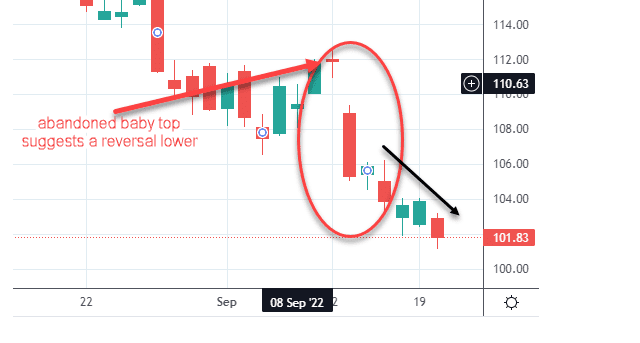 laern more
Before diving into the strategies, it's crucial to have a clear understanding of what market volatility is and how it impacts your trading decisions. Market volatility refers to the extent of price fluctuations in a particular market or asset. Higher volatility indicates greater price fluctuations, while lower volatility suggests stability. In uncertain times, market volatility tends to increase as traders and investors react to news and events.
Volatility can be both a blessing and a curse. On one hand, it can create profitable trading opportunities with increased price movements. On the other hand, it can also lead to higher risk and potential losses. Therefore, it's important to approach market volatility with a balanced perspective and implement strategies to manage the associated risks.
Staying Informed
To navigate market volatility effectively, staying well-informed is essential. As a trader, you need to stay updated on financial news, economic indicators, and events that might impact the forex market. Reliable sources such as financial news websites and economic calendars can provide valuable insights into the current market conditions. Additionally, utilizing market analysis tools like TradingView can help you analyze charts, identify trends, and make informed trading decisions.
Diversify Your Portfolio
One of the fundamental strategies to mitigate the impact of market volatility is diversifying your portfolio. Diversification involves spreading your investments across different asset classes, such as currency pairs, commodities, or indices. By doing so, you reduce the risk of being overly exposed to a single asset or market. A well-diversified portfolio can help cushion the impact of market volatility and potentially generate more stable returns.
However, diversification alone is not enough. It's important to carefully analyze each asset class and consider its correlation to others. A good understanding of how different assets behave in various market conditions is crucial for effective diversification.
Use Stop-Loss Orders
Protecting your capital and minimizing losses during volatile times should be a top priority. One effective strategy to achieve this is by utilizing stop-loss orders. A stop-loss order is a predefined price level at which your position will automatically be closed to limit further losses. By setting a stop-loss order, you establish a maximum acceptable loss on a trade, helping you manage risk effectively.
It's important to determine your risk tolerance and set appropriate stop-loss levels based on your trading strategy and the volatility of the market. A well-placed stop-loss order can save you from significant losses if the market moves against your position.
Implement Risk Management Strategies
Risk management plays a crucial role in successful trading, especially during uncertain times. It's essential to define your risk tolerance and establish clear risk management strategies. This can include setting maximum risk limits per trade, using position sizing techniques, or even diversifying your trading strategies across different timeframes or market conditions.
By managing your risk effectively, you can preserve your capital and navigate market volatility with confidence. It's important to remember that risk management is an ongoing process and should be regularly reviewed and adjusted as market conditions change.
Consider Hedging
Hedging is another strategy that can help mitigate the impact of market volatility. Hedging involves opening an additional position that acts as a counterbalance to an existing position. For example, if you have a long position on a currency pair, you can open a short position on the same pair to reduce the risk of potential losses. However, it's important to note that hedging can also limit your potential gains.
Hedging can be particularly useful during uncertain times when the direction of the market is unclear. It allows you to protect your positions while maintaining flexibility to take advantage of potential price movements.
Stay Disciplined and Control Emotions
During times of market volatility, emotions can run high, leading to impulsive decision-making. It's crucial to stay disciplined and control your emotions to avoid making irrational trades. Stick to your trading plan, follow your strategies, and avoid chasing quick profits or panicking during market fluctuations. Having a calm and rational approach to trading can help you make more informed decisions.
Utilize Technical Analysis
Technical analysis is a powerful tool for navigating market volatility. By studying historical price patterns, chart formations, and utilizing indicators, you can identify potential entry and exit points in the market. Platforms like TradingView provide a wide range of technical analysis tools and indicators that can assist you in making informed trading decisions even in uncertain market conditions.
When utilizing technical analysis, it's important to understand its limitations and consider other factors, such as fundamental analysis and market sentiment. A comprehensive approach that combines different analysis methods can provide a more holistic view of the market.
Conclusion
Navigating market volatility during uncertain times requires a combination of knowledge, skill, and the right strategies. By staying informed, diversifying your portfolio, utilizing risk management techniques, and having a disciplined approach, you can effectively navigate market volatility in the forex trading arena. Remember that market volatility can also present opportunities, so embrace the challenges and adapt your strategies accordingly. Always remember to assess and adjust your strategies as market conditions evolve, and continue to expand your knowledge and skills to stay ahead in the ever-changing financial landscape.
TradingBasics #FinancialMarkets #StockMarket #TradingStrategies #Investing101 #MarketTrends #TechnicalAnalysis #FundamentalAnalysis #DayTrading #SwingTrading #LongTermInvesting #FinanceEducation
Post a Comment
Post a Comment